Senior Bathroom Safety Checklist: 15 Must-Have Upgrades
Essential bathroom modifications for senior safety including grab bars, non-slip surfaces, and lighting improvements. Printable checklist included.

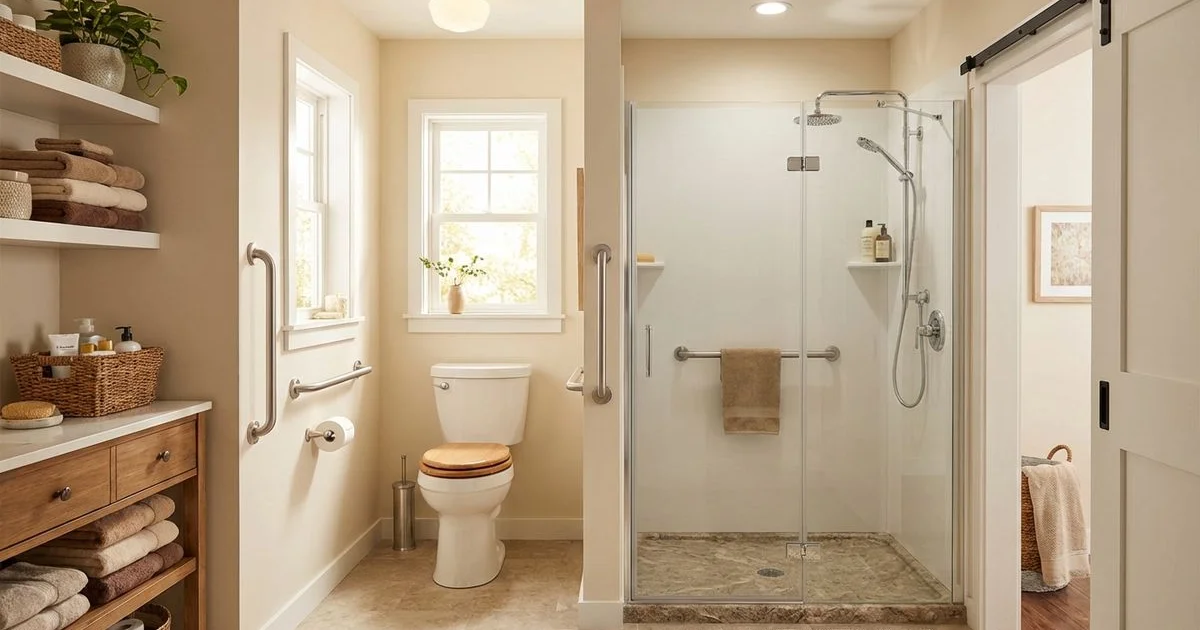
Why the Bathroom Is the Most Dangerous Room for Seniors
We see it constantly in our line of work. Families often assume stairs are the biggest hazard in a home, but the bathroom is statistically much riskier.
The data backs this up.
According to the CDC, approximately 235,000 seniors visit the emergency room each year due to bathroom-related injuries, with 14% requiring hospitalization.
This high injury rate stems from a specific combination of factors. Hard porcelain surfaces, moisture, and tight maneuvering spaces create an environment that punishes even minor slips.
We have found that fear of falling often leads seniors to reduce their hygiene habits.
This impacts their health and dignity.
The good news is that most bathroom falls are preventable with the right modifications.
We have compiled this comprehensive checklist covering 15 essential safety upgrades to help you act before an accident occurs.
Priority 1: Critical Safety Modifications
These modifications address the highest-risk areas immediately. We prioritize these because they offer the highest return on safety for the lowest initial investment.
1. Grab Bars at the Toilet
Cost: $30 - $200 per bar (plus $100 - $300 installation)
A standard towel bar cannot support a person’s weight.
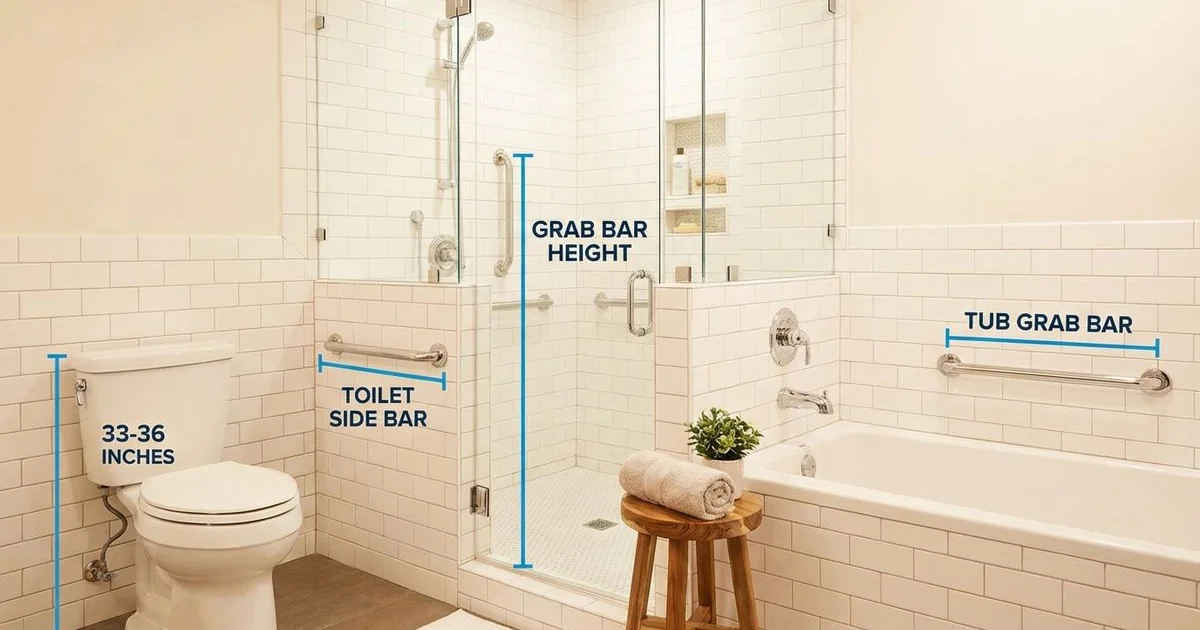
We strongly advise installing at least one grab bar next to the toilet, positioned 33 to 36 inches from the floor.
Ideally, install bars on both sides to allow the user to push off with both arms.
Professional Insight: Look for “peened” or textured finishes rather than smooth chrome. Textured bars provide a significantly better grip when hands are wet.
| Feature | Recommendation | Why It Matters |
|---|---|---|
| Diameter | 1.25 to 1.5 inches | Meets ADA standards for an easy, secure grip. |
| Weight Capacity | 250+ lbs | Ensures the bar holds during a full-weight fall. |
| Mounting | Wall Studs | Drywall anchors eventually fail under stress. |
2. Grab Bars in the Shower or Tub
Cost: $30 - $200 per bar (plus $100 - $300 installation)
Falls frequently happen during the transition into or out of the shower.
We recommend a minimum of two grab bars in the bathing area.
Place one vertical bar at the entry point for support while stepping over the threshold. Install a second horizontal bar on the long wall at chest height (approx. 33-36 inches) for stability while washing.
For walk-in tubs, most models include built-in bars, but supplemental bars may still be beneficial.
3. Non-Slip Flooring or Adhesive Strips
Cost: $20 - $50 for adhesive strips; $500 - $3,000 for full flooring replacement
Wet bathroom floors are the primary cause of slips.
We suggest applying adhesive non-slip strips inside the tub or shower as an immediate, low-cost fix.
However, mats can curl up and become tripping hazards themselves.
For a permanent solution, consider replacing existing flooring with tiles that have a high Dynamic Coefficient of Friction (DCOF). Look for tiles rated DCOF > 0.42, which indicates they remain slip-resistant even when wet. Small mosaic tiles are also excellent because the extra grout lines provide natural traction.
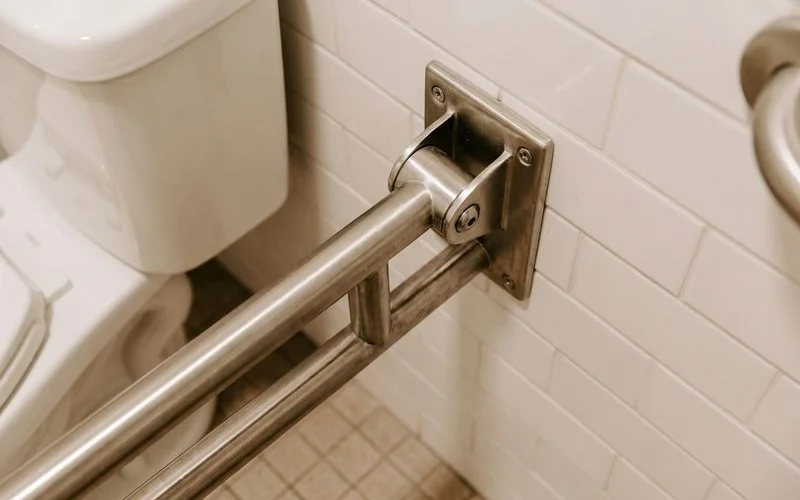 Properly installed grab bars are the single most effective fall prevention measure
4. Raised Toilet Seat
Cost: $25 - $100
Sitting down on a low toilet requires significant core strength and knee flexibility.
We frequently see seniors struggle to stand back up from standard-height toilets (usually 15 inches).
A raised toilet seat adds 2 to 6 inches of height, reducing the effort required to sit down and stand up.
This is one of the most affordable and impactful safety modifications available.
Models with integrated armrests provide additional stability and leverage.
5. Shower Bench or Transfer Seat
Cost: $30 - $300
Fatigue is a major contributor to slips in the shower.
We encourage the use of a sturdy shower bench that allows seniors to sit while bathing.
Choose a bench with non-slip rubber feet, drainage holes to prevent water pooling, and a weight capacity appropriate for the user.
For tub-shower combinations, a transfer bench that extends over the tub wall allows the user to sit down outside the tub and slide over. This eliminates the need to balance on one foot while stepping over the tub wall.
Priority 2: Important Safety Upgrades
These modifications provide significant safety improvements and should follow the critical items.
6. Improved Lighting
Cost: $100 - $500
Poor lighting is a hidden bathroom hazard.
We know from ergonomic studies that a 60-year-old needs three times more light than a 20-year-old to read and see details clearly.
Install bright, even overhead lighting (aim for 800+ lumens per fixture) and add motion-activated night lights along the path from the bedroom to the bathroom.
Lighting Temperature Matters:
- Warm White (2700K): Relaxing, but can make contrasts harder to see.
- Cool White (3500K-4100K): Best for bathrooms; increases contrast and visibility.
Backlit mirrors and illuminated light switches help seniors navigate safely during nighttime visits.
7. Anti-Scald Valves
Cost: $50 - $200 (plus $100 - $300 installation)
Thinner skin and reduced sensitivity make seniors highly susceptible to burns.
We always check for ASSE 1070 certified devices during our inspections.
An anti-scald valve or thermostatic mixing valve automatically limits water temperature to a safe maximum, typically 120 degrees Fahrenheit.
This is an especially critical modification if your loved one has diabetes or peripheral neuropathy, as they may not feel the water getting too hot until damage is done.
8. Lever-Style Faucet Handles
Cost: $50 - $200 per faucet
Round faucet knobs are difficult for seniors with arthritis or reduced grip strength to operate.
We recommend replacing them with lever-style handles.
These allow faucets to be turned on and off with a simple push of the wrist or forearm. Some models can be retrofitted onto existing faucet bodies without full replacement.
9. Walk-in Tub or Roll-in Shower
Cost: $3,000 - $20,000+
Removing the barrier to entry is the ultimate safety upgrade.
If your budget allows, replacing a standard tub-shower combination with a walk-in tub or roll-in shower is one of the most transformative safety upgrades you can make.
Both options eliminate the need to step over a high tub wall.
The single most common cause of bathroom falls among seniors is tripping over that tub edge.
10. Handheld Showerhead
Cost: $20 - $100
Fixed showerheads force a user to move around to get wet or rinsed.
We advise installing a handheld showerhead on a slide bar.
This allows seniors to direct water while seated, reducing the need to reach, twist, or stand on one leg. Look for models with a flexible hose at least 6 feet long and a “pause” button on the handle.
Installation is usually a straightforward DIY project that requires no plumbing modifications.
Priority 3: Enhanced Comfort and Accessibility
These modifications improve the overall bathroom experience and support long-term aging in place.
11. Comfort-Height Vanity
Cost: $200 - $800
Standard bathroom vanities are 30 to 32 inches tall, which forces users to hunch over.
We suggest a “comfort-height” vanity at 34 to 36 inches to reduce strain on the back and knees.
If replacing the vanity is not feasible, a wall-mounted shelf or tray at an accessible height can hold daily essentials.
12. Accessible Storage
Cost: $50 - $300
Reaching high or stooping low creates balance risks.
We recommend moving frequently used items—soap, shampoo, medications, towels—to within easy reach (between hip and shoulder height).
Eliminate the need to bend low or reach high.
A shower caddy mounted at seated height and open shelving in the vanity area both help keep essentials accessible.
13. Door Modifications
Cost: $100 - $500
Standard bathroom doors often swing inward, which creates a dangerous trap.
We have seen situations where a senior falls against the door, preventing emergency responders from entering.
Bathroom doors should swing outward or use a pocket/barn-door design so they can be opened from outside in an emergency.
Additionally, replace standard doorknobs with lever handles for easier operation.
Pro Tip: If you cannot change the door, install “swing clear” hinges. These offset the door when open, adding about 2 inches of clearance for walkers or wheelchairs.
14. Emergency Call System
Cost: $50 - $300
Getting help quickly after a fall drastically improves recovery outcomes.
We urge families to install a waterproof emergency call button or pull cord within reach of the toilet and shower areas.
This connects to a medical alert system or simply sounds an audible alarm to alert family members or caregivers in the home.
15. Bathroom Exhaust Fan Upgrade
Cost: $100 - $400
Humidity control is a safety issue, not just a comfort one.
We find that excess moisture makes tile floors slippery and promotes mold growth that triggers respiratory issues.
A quality exhaust fan reduces this moisture.
Timer-equipped fans or those with humidity sensors that run for 20 minutes after use are ideal because seniors often forget to leave the fan running.
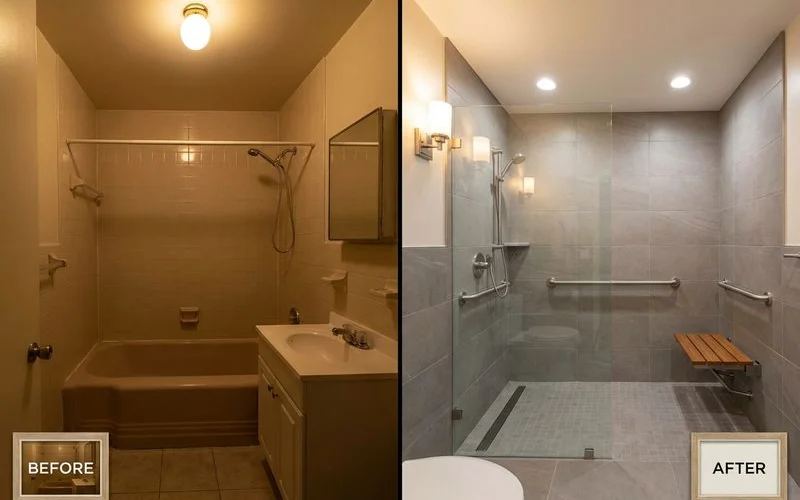 A comprehensive safety renovation addresses lighting, surfaces, and accessibility
Professional Assessment: Before starting any modifications, consider a professional home safety assessment to identify the most impactful changes for your specific situation. A CAPS-certified specialist can prioritize modifications based on your parent’s mobility level, health conditions, and budget.
Budget Planning Guide
Not every family can implement all 15 modifications at once.
We have developed this phased approach to help you prioritize based on your available budget.
| Budget Level | Modifications | Estimated Cost |
|---|---|---|
| Essential (Modifications 1-5) | Grab bars, non-slip surfaces, raised seat, shower bench | $200 - $1,000 |
| Standard (Add 6-10) | Plus lighting, anti-scald valve, lever handles, handheld shower | $500 - $2,500 |
| Comprehensive (Add 11-15) | Plus vanity, storage, door mods, emergency system, exhaust fan | $1,000 - $4,500 |
| Full Renovation (Including walk-in tub/shower) | Complete bathroom safety overhaul | $5,000 - $25,000+ |
Your Next Step
Print this checklist and walk through your parent’s bathroom with fresh eyes.
We suggest checking each item against the current conditions and prioritizing based on your parent’s specific needs and your budget.
Even implementing just the five critical modifications can reduce bathroom fall risk by over 50%.
For personalized guidance on which modifications will have the greatest impact, explore our fall prevention resources or schedule a professional home safety assessment with a CAPS-certified specialist in your area.
Ready to Take Action?
Learn more about our comprehensive walk in tubs solutions and how they can help your family.
Explore Walk In Tubs About Margaret Chen
Certified Aging-in-Place Specialist & Senior Care Advisor
CAPS-certified senior care advisor with 15+ years helping families plan for safe aging at home.
Related Articles
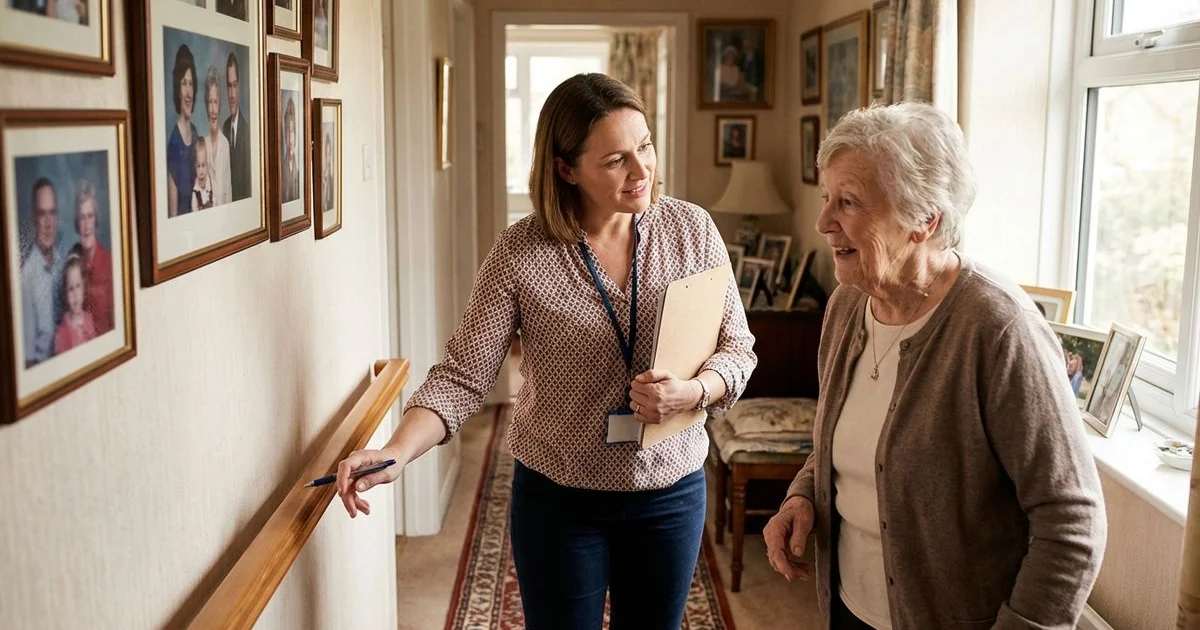
DIY Home Safety Assessment: Room-by-Room Senior Guide
Learn to conduct your own home safety assessment with our detailed room-by-room guide. Identify fall hazards, accessibility issues, and safety improvements.
Fall Prevention for Seniors: The Complete Home Safety Guide
Evidence-based fall prevention strategies for seniors covering home modifications, exercise, medication management, and environmental hazard reduction.
Where and How to Install Grab Bars: Location Guide With Diagrams
Expert guide to grab bar placement in bathrooms, hallways, and bedrooms. Includes installation heights, recommended products, and DIY vs. professional advice.