The Complete Stair Lift Buying Guide: Straight vs. Curved, Costs & Features
Everything you need to know before purchasing a stair lift: types, costs, features, installation process, and top-rated brands for 2026.

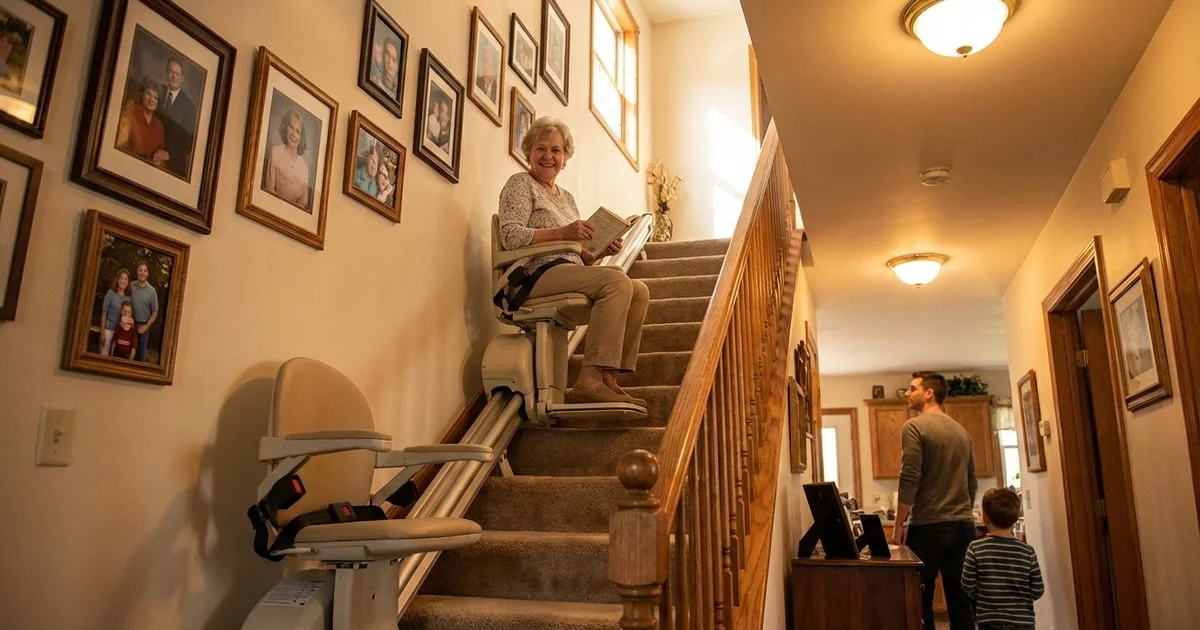
Why Stair Lifts Are One of the Best Aging-in-Place Investments
We talk to homeowners every day who feel like their two-story home has turned into a trap. The stairs, once just part of the house, suddenly become the single biggest barrier to safety.
We often point out that the cost of inaction is surprisingly high.
According to 2024 data from the CDC, falls are the leading cause of injury for adults over 65. The financial reality is just as stark. The median cost of assisted living in the US has climbed to over $5,350 per month in 2025. A stair lift is a one-time expense that eliminates that recurring cost while preserving independence.
Modern lifts have moved far beyond the clunky, loud machines of the past.
We are going to walk you through the specific costs, the crucial features you actually need, and the installation pitfalls our team sees most often.
Straight vs. Curved Stair Lifts
The shape of your staircase is the primary factor that dictates your price and options. We categorize every project into one of two buckets immediately.
Straight Stair Lifts
Best for: Standard staircases with zero turns, landings, or bends.
These units utilize a standardized aluminum rail that is cut to length on-site. Because the rail is mass-produced rather than custom-built, the installation process is fast and efficient.
We typically see installation times range from 2 to 4 hours.
Cost range: $2,800 - $5,500 installed (2026 National Average).
Curved Stair Lifts
Best for: Staircases with landings, 90-degree turns, spiral sections, or pie-shaped steps.
Curved lifts require a rail that is custom-fabricated to match the exact geometry of your home. This process usually involves a specialized camera measurement system (like the PhotoSurvey tool) to generate a 3D digital map of your stairs.
We find that this customization pushes the manufacturing lead time to 3 to 6 weeks.
Cost range: $9,500 - $16,000 installed. Installation time: 4 - 8 hours.
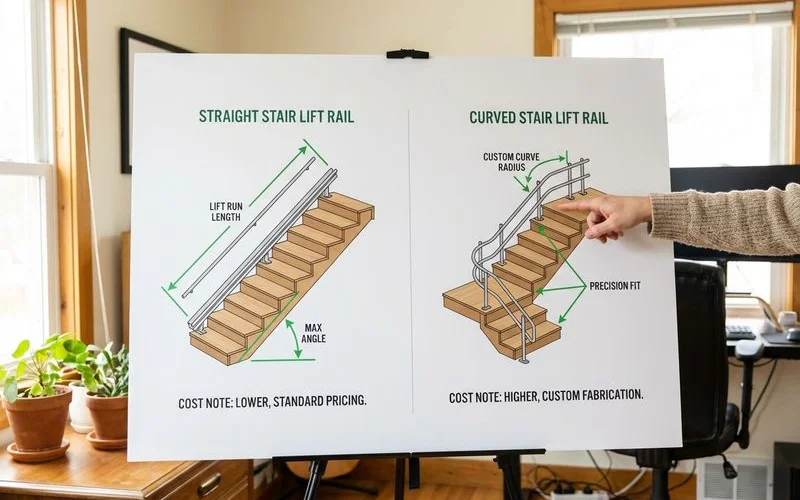 Straight stair lifts cost significantly less than curved models due to simpler rail fabrication
The “Two-Lift” Hack: We frequently recommend a cost-saving strategy for staircases with a single flat intermediate landing. You can often install two separate straight lifts (one for the bottom flight, one for the top) for roughly $6,000 total. This saves nearly $4,000 compared to a single custom curved unit, though it does require the user to transfer between chairs at the landing.
Essential Features to Look For
Manufacturers love to tout proprietary technology, but only a few features truly impact daily safety. We prioritize these specific components when evaluating models for our clients.
Safety Features (Non-Negotiable)
| Feature | Why It Matters |
|---|---|
| Obstruction Safety Sensors | 7-9 sensors on the footrest and carriage stop the unit instantly if a pet or object blocks the path. |
| Retractable Seat Belt | Essential for stability. Look for “retractable” styles specifically, as standard buckle belts can get caught in the mechanism. |
| Offset Swivel Seat | The seat pivots 45-90 degrees at the top landing. This allows the user to exit onto the floor rather than stepping off near the stair edge. |
| Overspeed Governor | A mechanical brake that prevents the chair from descending too quickly in the rare event of motor failure. |
| Continuous Charge Strip | Ensures the batteries charge no matter where the lift stops on the rail, preventing “dead lift” strandings. |
Comfort & Usability Features
- Wireless Call/Send Remotes: These are standard on most 2026 models. They allow you to summon the chair from the opposite floor, which is vital if two people in the house use the lift.
- Powered Folding Footrest: We highly suggest this for users with back issues. It allows you to fold the footrest up without bending over, keeping the walkway clear for others.
- Slim Rail Design: Models like the Handicare 1100 feature rails that sit closer to the wall (often within 5 inches), leaving more open space on the staircase.
Advanced Options (Situation Specific)
- Powered Hinge Rail: This is critical if a doorway exists within 12 inches of the bottom step. The bottom section of the rail folds up automatically when not in use to prevent a tripping hazard.
- Zero-Intrusion Kit: A specialized mounting system that allows the lift to start on the first step rather than the floor. This saves floor space in tight hallways.
Cost Breakdown by Component
Understanding the hardware costs helps you spot a fair quote. We have broken down the pricing structure based on current 2026 supply chain data.
| Component | Straight Lift Cost | Curved Lift Cost |
|---|---|---|
| Motor & Chassis | $1,800 - $2,500 | $3,500 - $5,500 |
| Rail System | $400 - $800 | $4,500 - $9,000 |
| Installation Labor | $500 - $1,200 | $1,200 - $2,500 |
| Permits/Electrical | $150 - $400 | $150 - $400 |
| Total Average | $2,850 - $4,900 | $9,350 - $17,400 |
The rail is the primary cost driver for curved lifts.
We want to emphasize that curved rails are not reusable. Because they are bent to fit a specific home’s architecture, they have no resale value. This is why the upfront cost is significantly higher.
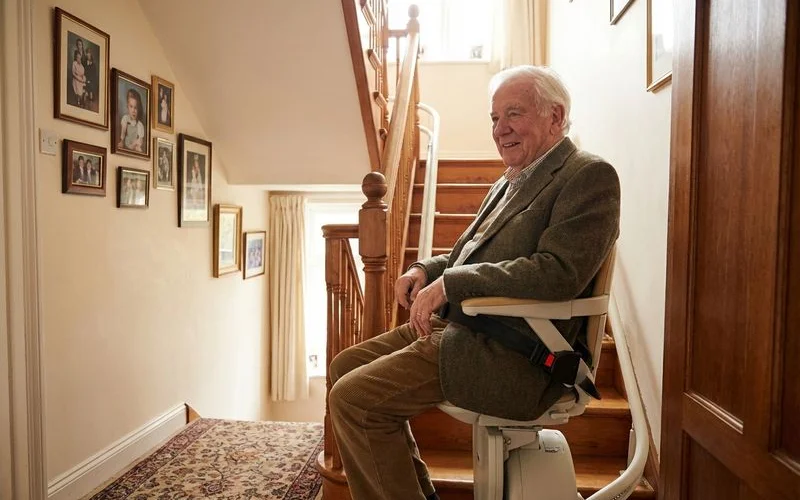 Modern stair lifts feature ergonomic seats, safety belts, and smooth quiet operation
New vs. Used vs. Rental
You have three main acquisition paths. We help clients weigh these options based on their timeline and budget.
Buying New
Best for: Permanent residency, curved staircases, and heavy daily use.
A new unit guarantees the longest lifespan. Major manufacturers like Bruno and Stannah typically offer a “Lifetime Warranty” on the motor and gearbox for the original purchaser.
We consider this the safest route for curved applications since the rail must be custom-made anyway.
Buying Pre-Owned or Refurbished
Best for: Straight staircases and budgets under $3,000.
You can often find high-quality refurbished straight lifts from certified dealers for $2,000 to $2,800. These units should include new batteries (which typically cost $300 to replace) and new upholstery.
We advise against buying “direct from owner” on sites like Craigslist. Without professional re-installation, you risk improper rail anchoring, which is a severe safety hazard.
Renting a Stair Lift
Best for: Recoveries taking less than 12 months (e.g., hip or knee replacement).
Rental programs usually require an upfront installation fee ($400 - $800) plus a monthly rate of $150 to $300. The math is simple.
We typically see the “break-even” point at around 14 months. If you need the lift longer than that, buying a used or new unit is more economical. Note that curved lifts are rarely available for rent due to the custom rail requirement.
Top Stair Lift Brands for 2026
Market consolidation has left us with a few dominant players. These manufacturers consistently rank highest for reliability and parts availability in the US.
| Brand | Best For | Standout Model | Estimated Price |
|---|---|---|---|
| Bruno | Reliability | Elan (SRE-3050) | $$$ |
| Handicare | Aesthetics | 1100 Style | $$$ |
| Stannah | Design Options | Starla | $$$$ |
| Harmar | Narrow Stairs | Pinnacle SL600 | $$ |
| Acorn | Speed | 130 Superglide | $$ |
Bruno remains a favorite because they are US-based (Wisconsin), meaning parts ship faster than European competitors. Harmar’s Pinnacle series is notable for using a patented worm drive that requires no grease, keeping your carpet cleaner.
Weight Capacity Considerations
Standard lifts are rated for 300 to 350 pounds.
We strongly caution against pushing these limits. Overloading a lift burns out the motor brushes and drains batteries rapidly.
For users exceeding 350 pounds, “Heavy Duty” (HD) models are required.
- Bruno Elite HD: Rated for 400 lbs.
- Harmar SL600 HD: Rated for 600 lbs (highest in the industry).
These units feature reinforced chassis frames and wider seats (usually 24-26 inches). Expect to pay a premium of $800 to $1,500 over standard models for HD configurations.
Staircase Requirements
Your home needs to meet specific structural criteria before a lift can be installed. We check these three dimensions on every site visit.
- Stair Width: You generally need a minimum of 30 inches of clear width. Some compact models, like the Harmar Pinnacle, can squeeze into 28 inches, but it is tight.
- Knee Clearance: The user’s knees will protrude 18-24 inches from the wall while seated. You must ensure they won’t hit the opposite banister or wall.
- Electrical Access: A standard 120V outlet is required. It typically needs to be within 10 feet of the top or bottom of the stairs.
- Rail Intrusion: The rail itself will stick out 6 to 9 inches from the wall. This reduces the walkable width of your stairs for other family members.
Making the Right Decision
This purchase is about more than hardware; it is about keeping your home accessible.
We recommend getting three on-site quotes. Avoid companies that give you a “final price” over the phone without seeing your staircase, as hidden structural issues often change the scope of work.
If you are still weighing whether a lift is the right move, looking into alternatives to stair lifts can help you compare other mobility solutions. For a broader look at your residence, a professional home safety assessment can identify other fall risks you might have missed.
The right stair lift transforms your home from a source of anxiety back into a place of comfort.
Ready to Take Action?
Learn more about our comprehensive stair lifts solutions and how they can help your family.
Explore Stair Lifts About Margaret Chen
Certified Aging-in-Place Specialist & Senior Care Advisor
CAPS-certified senior care advisor with 15+ years helping families plan for safe aging at home.
Related Articles
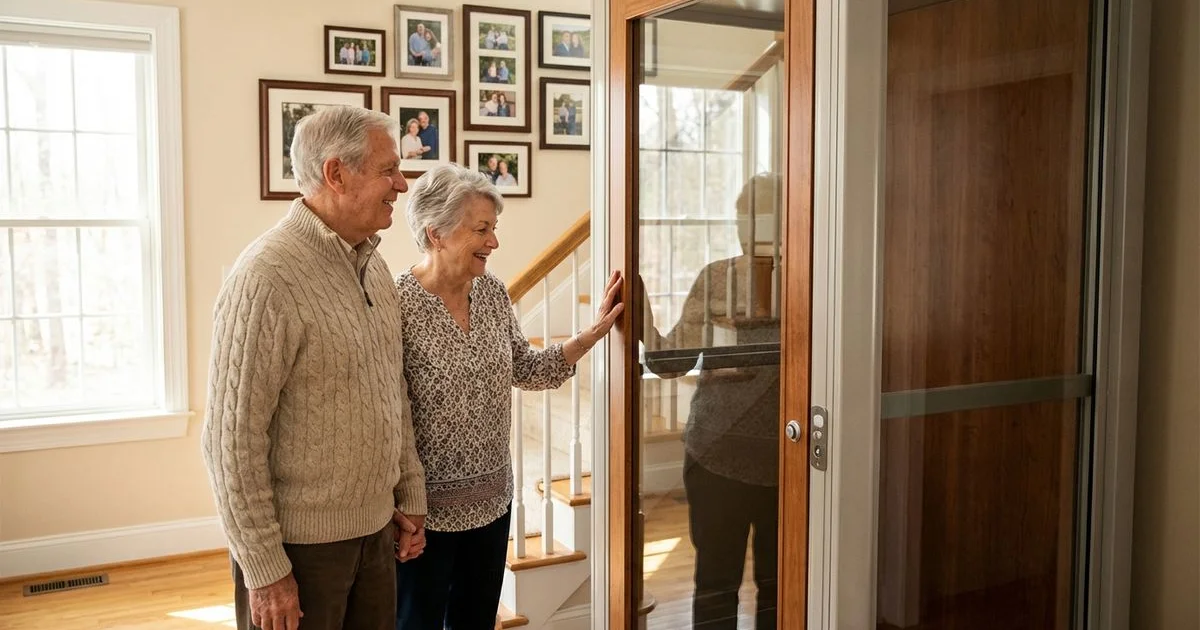
7 Alternatives to Stair Lifts for Seniors Who Need Multi-Level Access
Explore alternatives to stair lifts including home elevators, platform lifts, main-floor living conversions, and portable options for multi-level homes.
5 Evidence-Based Benefits of Hydrotherapy for Seniors
Research-backed benefits of hydrotherapy walk-in tubs for arthritis, chronic pain, and mobility issues in older adults.
Stair Lift Installation: What to Expect From Start to Finish
Step-by-step guide to stair lift installation process, timeline, and what to prepare. Covers measurement, customization, and post-installation care.