Walk-in Tub Cost Guide: What to Expect in 2026 (With Price Breakdown)
Comprehensive breakdown of walk-in tub costs including installation, features, and financing options. Compare models and find the best value for senior bathroom safety.

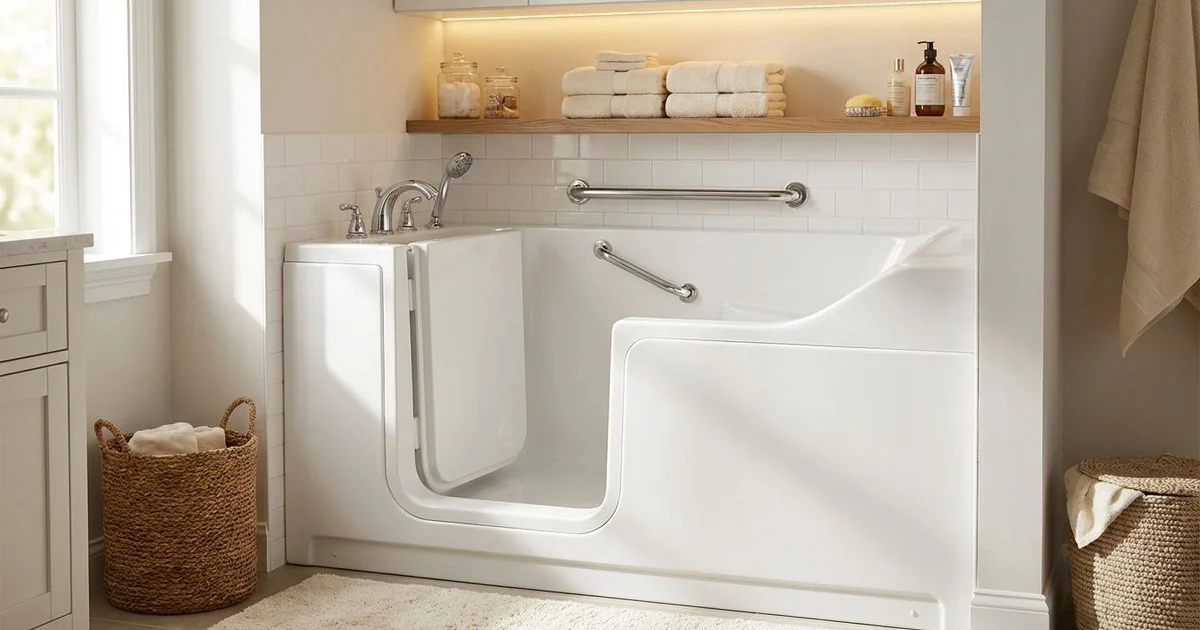
How Much Does a Walk-in Tub Really Cost in 2026?
If you have looked at the price tag for a walk-in tub, you likely experienced a moment of sticker shock. We often see families hesitate when they realize a single bathtub can cost as much as a used car. In 2026, a complete walk-in tub installation typically ranges from $4,000 to $20,000+, with most of our clients spending between $8,500 and $12,000 for a high-quality setup.
That price gap is massive, but the real cost often hides in the details most people miss until the work begins. As a professional service team, we know that the difference between a $5,000 job and a $15,000 one usually comes down to plumbing complexities and safety features. This guide maps out those specific expenses so you can plan your budget with confidence.
Walk-in Tub Price Ranges by Type
The type of tub you select is the primary driver of your final bill. We find that many homeowners start with a basic soaker in mind but upgrade once they understand the therapeutic benefits of other models.
| Tub Type | Unit Cost | Installation | Total Cost |
|---|---|---|---|
| Basic Soaker | $2,500 - $5,000 | $1,500 - $3,000 | $4,000 - $8,000 |
| Hydrotherapy (Whirlpool) | $5,000 - $10,000 | $2,000 - $4,000 | $7,000 - $14,000 |
| Air Jet / Combination | $6,000 - $12,000 | $2,500 - $5,000 | $8,500 - $17,000 |
| Bariatric (Wide Entry) | $7,000 - $15,000 | $3,000 - $6,000 | $10,000 - $21,000 |
| Wheelchair Accessible | $8,000 - $18,000 | $3,500 - $7,000 | $11,500 - $25,000 |
Basic soaker tubs are the entry-level option. Brands like American Standard offer these reliable models for seniors who simply need a low threshold and a seat.
Hydrotherapy and air jet models drive the price up but offer significant pain relief. We have seen these features become essential for clients with severe arthritis who need the percussive massage of water jets or the gentle buoyancy of air bubbles. Premium brands like Kohler and Safe Step specialize in these therapeutic systems, which often include inline heaters to keep the water warm. You can learn more about hydrotherapy walk-in tubs to see if these features are worth the extra investment for your specific needs.
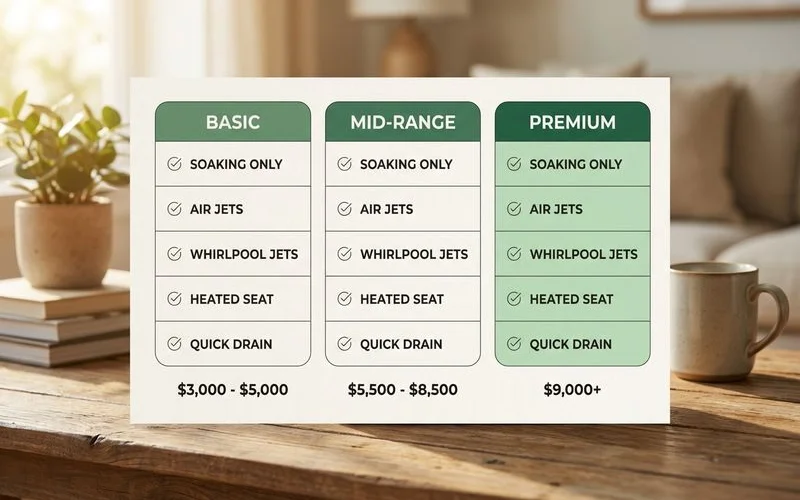 Walk-in tub pricing varies significantly by model type and included features
Installation Cost Factors
The sticker price of the tub is only about half the story. Our experience shows that installation labor and home modifications frequently catch families off guard.
Plumbing Modifications
Most standard installations require more than just hooking up a drain. Plumbers in 2026 typically charge between $75 and $200 per hour, and older homes often need pipe replacements to handle the increased water flow. If your home has galvanized pipes or a drain located far from the new tub’s discharge point, you could face an additional $500 to $1,500 in plumbing labor.
Electrical Requirements
Many people forget that therapeutic tubs need power. Hydrotherapy pumps and inline heaters usually require a dedicated electrical circuit to prevent tripping your breakers. We typically see electricians charge $570 to $1,100 to install this new line, depending on the distance to your main panel.
Bathroom Structural Work
A walk-in tub is often wider or taller than the standard bathtub it replaces. Contractors may need to widen door frames or remove vanity cabinets to get the unit into the bathroom. These structural changes can easily add $1,000 to $5,000 to the final invoice.
Water Heater Capacity
Standard 40-gallon water heaters cannot fill a 60 to 80-gallon walk-in tub with hot water. You will likely need to upgrade to a 50-gallon high-recovery unit or a tankless system. This upgrade alone can cost between $800 and $3,200.
Pro Tip: Look for specific rapid-drain features like Safe Step’s Quantum Quick Drain or Ella’s Bubbles Dual Drain Technology. These systems pump water out in under two minutes preventing you from sitting in the cold while you wait to open the door.
Hidden Costs to Watch For
The quote you get on the phone rarely includes every single line item. We always advise clients to ask about these specific “invisible” expenses before signing a contract.
- Permit fees: Local building departments typically charge $100 to $500 for plumbing and electrical permits.
- Old tub removal: Disposing of a heavy cast-iron tub can cost $200 to $500, especially if it must be broken up to fit through the door.
- Floor reinforcement: A filled walk-in tub can weigh over 800 pounds. We often have to reinforce floor joists in second-story bathrooms, which adds $500 to $2,000.
- Extended warranty: While a 1-year warranty is standard, extending coverage to 5 or 10 years usually costs an extra $200 to $800.
Walk-in Tub vs. Assisted Living: The Cost Comparison
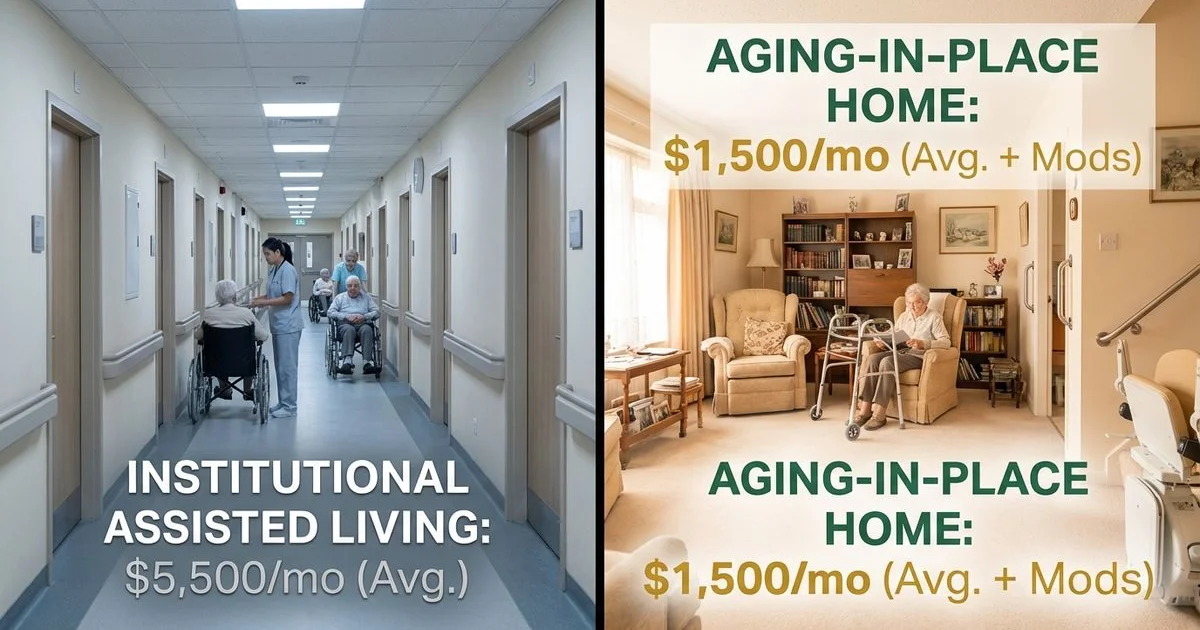
The upfront cost of a walk-in tub is high, but it pales in comparison to the cost of moving. We encourage families to view this purchase as a tool for financial preservation.
| Option | Annual Cost (2025/2026 Data) | 5-Year Cost |
|---|---|---|
| Walk-in Tub (One-time) | $8,500 - $12,000 | $8,500 - $12,000 |
| Home Care Aide (20 hrs/week) | $30,000 - $45,000 | $150,000 - $225,000 |
| Assisted Living Facility | $70,800 (Median) | $354,000 |
| Nursing Home (Private Room) | $127,750 | $638,750 |
Recent data from the Genworth Cost of Care Survey highlights that the median annual cost for an assisted living facility has risen to over $70,000. A walk-in tub costs roughly two months of facility care. When you combine this with other home safety modifications, the math clearly supports aging in place for those who are able.
 Understanding the true cost savings of aging in place versus facility care
Financing Options and Financial Assistance
You rarely need to pay the full amount out of pocket. We help many clients navigate the various grants and financing programs available in 2026.
Medicare and Medicaid
Original Medicare generally does not cover walk-in tubs because they are not classified as “durable medical equipment.” However, some Medicare Advantage (Part C) plans now offer coverage for home modifications deemed medically necessary. We also recommend checking your state’s Medicaid HCBS (Home and Community-Based Services) waivers, which can fund modifications that keep you out of a nursing home.
VA Benefits
Veterans have excellent options that are often underutilized. The HISA Grant (Home Improvements and Structural Alterations) offers up to $6,800 for veterans with service-connected conditions and $2,000 for those with non-service-connected conditions. You should also investigate the SHA (Special Home Adaptation) grant if you have specific service-connected disabilities.
Home Equity Options
Your home’s value can fund its own improvements. A HELOC (Home Equity Line of Credit) often offers lower interest rates than personal loans. Monthly payments for a $10,000 project can be as low as $150 depending on your credit and current rates.
Manufacturer Financing
Major brands often run aggressive financing promotions. We frequently see offers for 0% interest for 18 to 24 months from manufacturers like Kohler and American Standard.
Important: Always read the fine print on “no interest” offers. If you miss a payment, the lender may charge retroactive interest on the entire original balance.
How to Get the Best Value
You can save thousands by shopping strategically. We recommend these specific tactics to lower your final price.
- Shop the “Showroom” Models: Ask dealers if they have any floor models or returned units. These “scratch and dent” tubs often work perfectly but sell for 20-40% less.
- Get Three Itemized Quotes: Prices for the exact same tub can vary by 30% between installers.
- Book in the Off-Season: January and February are typically slow months for installers. You might have more leverage to negotiate labor rates during the winter.
- Check Certification: Ensure your installer holds a CAPS (Certified Aging-in-Place Specialist) designation. This credential ensures they understand the specific safety codes for senior housing.
A professional home safety assessment can also help you bundle this project with other needs. Doing the tub, grab bars, and ramp all at once often reduces the total labor cost compared to doing them piecemeal.
Making the Decision
A walk-in tub is a significant investment in your long-term independence. We believe that while the upfront cost of $8,500 to $12,000 is substantial, the safety and peace of mind it provides are invaluable.
Start by getting a clear picture of your bathroom’s electrical and plumbing status. Then, reach out to three certified installers to compare specific models and warranties. With the right financial planning and a clear understanding of the costs, you can secure a safer future in the home you love.
Ready to Take Action?
Learn more about our comprehensive walk in tubs solutions and how they can help your family.
Explore Walk In Tubs About Margaret Chen
Certified Aging-in-Place Specialist & Senior Care Advisor
CAPS-certified senior care advisor with 15+ years helping families plan for safe aging at home.
Related Articles

How to Budget for Aging in Place: A Family Financial Planning Guide
Step-by-step financial planning guide for aging in place.
Assisted Living vs. Home Care: True Cost Comparison for 2026
Detailed cost comparison of assisted living facilities versus home care and aging-in-place modifications.
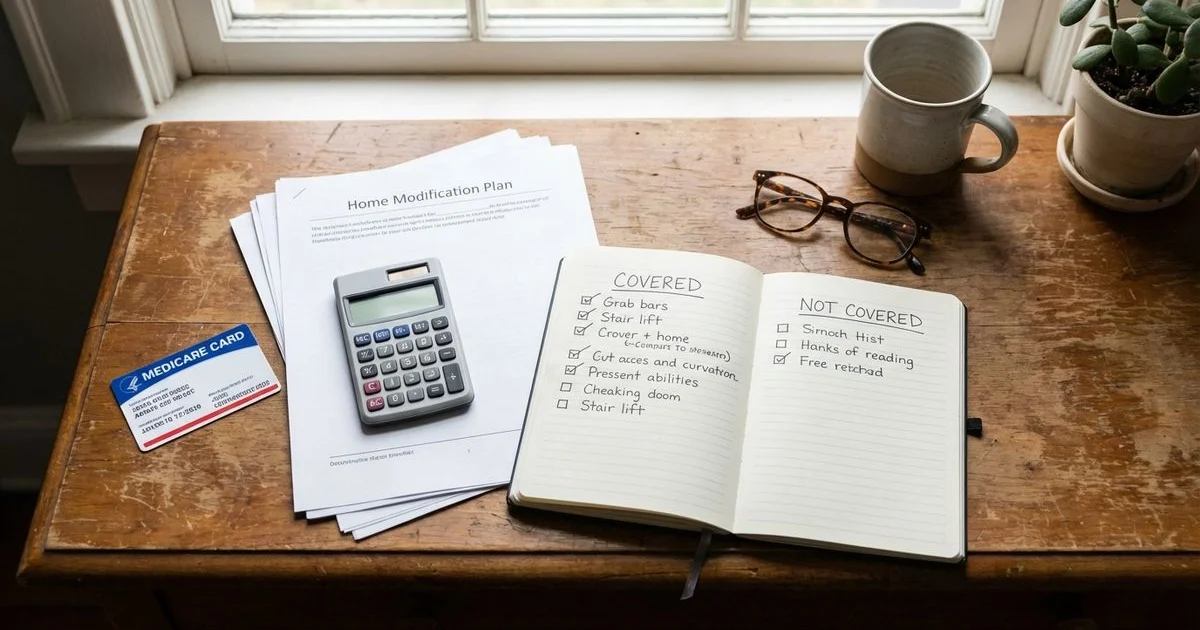
Does Medicare Cover Home Modifications? What's Covered and What's Not
Detailed breakdown of which aging-in-place modifications Medicare, Medicaid, and Medicare Advantage plans will and won't cover.